Night vision goggles: complete buyer’s guide 2026
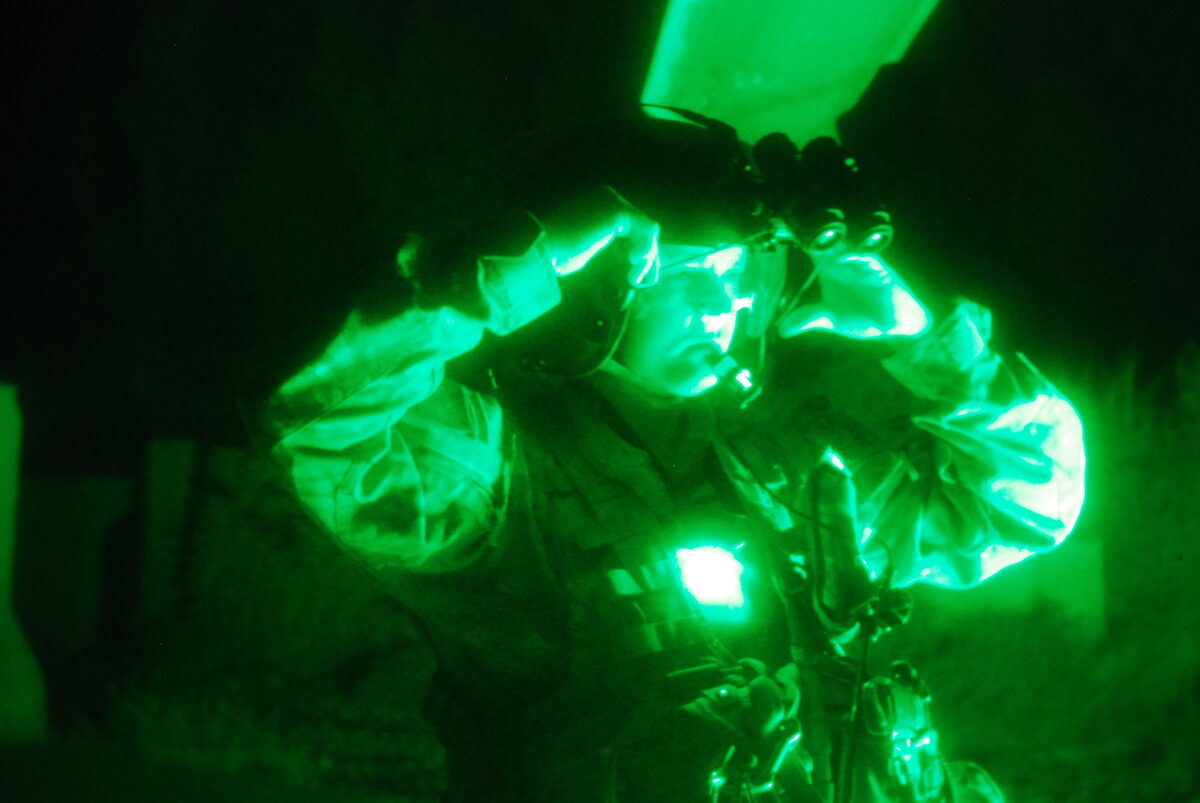
What are night vision goggles?
Night vision goggles amplify available light (moonlight, starlight, ambient IR) so you can see in conditions where your eyes are useless. They don’t generate light the way a flashlight does. They collect photons and convert them into electrons, amplify those electrons through a microchannel plate, and project the result onto a phosphor screen.
That’s the short version. The longer version involves generations, tube manufacturers, FOM ratings, and a pile of acronyms that will make your head spin the first time through. This guide cuts it down to what actually matters for buying decisions.
If you’re a hunter running hogs at night, a shooter who wants to extend their capability, or someone who found the rabbit hole on r/NightVision, this is the starting point. Depth on specific topics is in the linked guides below each section.
Quick picks by budget
Most people want the short answer first. Here it is:
Specifications sourced from manufacturer data sheets and authorized dealer listings. Specs may vary by production batch. Verify before purchase.
| Budget | Best starting point | What you’re getting |
|---|---|---|
| Under $3,000 | Used Gen 3 GP PVS-14 or AGM NL1 | Gen 2+ or entry Gen 3 single tube. Functional for hunting and home defense out to ~100 yards. Not ideal for pitch-black conditions. |
| $3,000–$5,500 | L3Harris Unfilmed WP PVS-14 (duty grade) | Genuine Gen 3 filmless with white phosphor. Noticeable jump in low-light performance. This is where most serious buyers end up. |
| $5,500–$10,000 | L3Harris SuperGain PVS-14 or entry DTNVS | Hand-selected tubes, 2,200+ FOM, or first dual-tube setup. Real depth perception. Different category of experience. |
| $10,000+ | PVS-31A BNVD, BNVD-1531, or GPNVG-18 | Premium binoculars or panoramic 4-tube. The GPNVG-18 at 97 degrees FOV is a different tool entirely. Backorder is typically 240 days. |
Last updated: February 2026. Gen 3 tube specifications (FOM, SNR, lp/mm) are minimum guaranteed values; actual performance varies per individual tube.
Prices are approximate as of early 2026 and vary by tube grade, dealer, and availability. Always confirm current pricing before purchase.
One thing the community agrees on: stretch your budget toward better tubes, not fancier housings. A great tube in a basic housing beats an average tube in an expensive one every time.
Types of NVGs
Monoculars
The PVS-14 is the baseline. Single 18mm tube, 40 degree FOV, 40–50 hours on one AA battery, 12–14 oz. It helmet-mounts, weapon-mounts, or handholds. That flexibility is why it’s been the military standard since the 1990s and why the civilian market is built around it.
The downside: monocular vision. One eye is active, one adapts to darkness. You lose depth perception and you’ll misjudge distances until you adapt. Most people adapt in a few nights. Some don’t.
Bridge binoculars
Two tubes, both eyes open, real depth perception. The main options are the DTNVS (17.9 oz, CR123A), RNVG (20 oz, 7075 aluminum chassis, no exposed wires), Katana (polymer, modern design), and Sentinel. Each has a different housing philosophy and trade-offs in weight, durability, and tube compatibility.
Budget jump is real. Quality dual-tube setups start around $7,000 and go past $15,000. The depth perception advantage is real. It changes how you read terrain at a functional level, beyond comfort. Whether it’s worth the premium over a PVS-14 depends on your budget and use case.
Panoramic (4-tube)
The GPNVG-18 has 97 degrees horizontal FOV against 40 degrees on a standard monocular. That extra FOV changes how you read terrain. It’s also why it’s the USSOCOM standard for high-end operations.
The constraints: external battery pack required, 27 oz before accessories, counterweight mandatory on any helmet, and pricing that starts around $15,000 and often runs past $25,000 depending on tube selection. TNVC quotes on request; typical backorder is around 240 days. The Steele Nighthawk-Pano and Aether Optics Specter PNVG (debut at SHOT 2025) are alternatives worth watching.
Aviation systems
ANVIS (AN/AVS-6, AN/AVS-9) are purpose-built for aircrew. Not on the open commercial market. Mentioned here because people ask. If you’re flying commercially and need NVG-compatible cockpits, this is a different procurement path entirely.
Key specs that matter
Full breakdown is at the technology guide. Here’s the version that’s useful for buying decisions:
Generation. Gen 2+ uses a multi-alkali photocathode (S-25). Gen 3 uses Gallium Arsenide (GaAs), which is more sensitive at low light levels. Gen 3 filmless (L3Harris “unfilmed”) removes the ion barrier film from the microchannel plate, increasing electron throughput. No ion barrier means auto-gating is required to prevent tube damage from bright light.
FOM (Figure of Merit). SNR multiplied by center resolution in line pairs per millimeter. A 2,200 FOM tube built on 81 lp/mm resolution has an SNR of 27. A 2,200 FOM tube built on 64 lp/mm has an SNR of 34. Same number, different performance in darkness. Ask dealers for the SNR component separately.
White phosphor vs green phosphor. Green phosphor is cheaper. White phosphor (black-and-white image) gives better contrast and causes less eye strain on long sessions. The price gap is $500–$1,000 per tube depending on grade. Most serious users prefer white phosphor. Some hunters prefer green because they’re familiar with it and it’s easier on the budget.
EBI. Equivalent Background Illumination measures tube noise in total darkness. Lower is better. Premium tubes run below 1 x 10-11 lm/ft². Mil-spec minimum is 2.5. If you’re hunting in true pitch black, EBI matters more than FOM.
Halo. Blooming around bright light sources, measured in mm. Under 0.7mm is premium. Over 1.0mm and you’ll notice it around lights in mixed environments.
Photonis tubes (French, Gen 2+) are ITAR-exempt, which matters if you’re outside the US or planning to travel with gear. Performance is close to entry Gen 3 in most conditions; the gap opens up in extreme low light. The community debates this constantly. The short version: Gen 3 is better at the low end of the light scale. The gap is smaller than Gen enthusiasts claim and larger than Photonis dealers suggest.
Tube manufacturers: Elbit Systems (filmed Gen 3, Omni VII/VIII), BAE Systems (historically significant, less common in current builds), and L3Harris (unfilmed Gen 3, primary US military supplier) are the American manufacturers. All ITAR-controlled.
Top models compared
Specifications sourced from manufacturer data sheets and authorized dealer listings. Specs may vary by production batch. Verify before purchase.
| Model | Type | Tube | FOM | Weight | Price (2025) |
|---|---|---|---|---|---|
| PVS-14 Gen 3 GP (L3 ground mil-spec) | Monocular | L3Harris filmed | 1,600–1,800 | 12–14 oz | $2,595 new / $1,995 refurb |
| PVS-14 L3 Unfilmed WP (duty grade) | Monocular | L3Harris filmless | 1,800–2,000 | 12–14 oz | $3,200–$3,800 |
| PVS-14 L3 Unfilmed WP (hand select) | Monocular | L3Harris filmless HS | 2,200+ | 12–14 oz | $4,500–$5,500 |
| PVS-14 L3 SuperGain WP | Monocular | L3Harris SuperGain | 2,200+ (100K–120K gain) | 12–14 oz | $5,500–$6,500 |
| PVS-14 Photonis 4G Echo WP | Monocular | Photonis Gen 2+ | 1,800–2,200 | 12–14 oz | $2,500–$3,200 |
| AGM PVS-14 NL1 | Monocular | AGM NL1 (Gen 2+) | 1,200–1,600 | ~12 oz | $1,800–$2,200 |
| DTNVS (L3 Unfilmed WP) | Bridge binocular | L3Harris filmless | 1,800–2,200+ | 17.9 oz | $7,999–$10,199 |
| RNVG (AB Night Vision, L3 WP) | Bridge binocular | L3Harris filmless | 1,800–2,400+ | 20 oz | $6,000–$10,000 |
| Katana (Nocturn, Elbit Milspec WP) | Bridge binocular | Elbit Omni VIII WP | 2,000+ | ~22 oz | $8,299 |
| BNVD-1531 (L3 Unfilmed WP 2376+ FOM) | Bridge binocular | L3Harris filmless aviation | 2,376+ | ~19 oz | $12,499 |
| PVS-31A / BNVD (L3 2376+ FOM) | Bridge binocular | L3Harris MX-10160 | 2,376+ | ~15 oz | $14,499–$14,999 |
| GPNVG-18 (L3Harris) | Panoramic 4-tube | L3Harris filmless WP | 2,376+ min | 27 oz + ext. battery | $15,000–$28,000+ |
Last updated: February 2026. Gen 3 tube specifications (FOM, SNR, lp/mm) are minimum guaranteed values; actual performance varies per individual tube.
Note: Gen 3 night vision devices are controlled under ITAR (International Traffic in Arms Regulations). Purchase and possession within the US is legal for US citizens. Export restrictions apply.
Prices move. Check current pricing with authorized dealers. The figures above reflect late 2025 market rates.
Buying tips
Factor in the full setup cost
The tube is the expensive part, but it’s not the only cost. A complete setup includes a helmet ($300–$700 for quality), a J-arm or shroud mount ($200–$500), an IR illuminator for pitch-black conditions, and optionally a weapon mount and IR laser ($500–$2,000 for quality IR lasers). Budget $5,000–$8,000 for a full functional Gen 3 kit even if the tube is on the lower end of the price range.
Buy used if budget is the constraint
The r/NightVision community routinely recommends used PVS-14s from r/GunAccessoriesForSale. A used tube with minor blemishes from a reputable seller can run $1,700–$2,500 for genuine Gen 3. Blemishes on the image (spots, shading) affect cosmetics, not core performance in most cases. Ask for tube test data. Reputable sellers provide it.
Use authorized dealers
Purchase from manufacturer-authorized dealers such as TNVC or Steele Industries for warranty coverage and authenticity guarantees. TNVC (Tactical Night Vision Company) is an authorized L3Harris distributor for civilian sales, offering a 10-year warranty on tubes. NightVision4Less, Apollo Gear Co., Nighthawk Vision, and Licentia Arms Co. are other well-regarded dealers with established community reputations. Avoid any seller who can’t provide original tube test data or who pushes “Gen 4” as a real category.
See ATN and Pulsar for digital and thermal options. Different technology, different use cases, but relevant for hunting and detection tasks where thermal contrast matters more than image intensification.
Housing matters for durability, not performance
The RNVG in 7075 aluminum with internal wiring is the toughest bridge binocular housing available. The DTNVS is lightest. The Sentinel MOD 3 has reported connection issues under vibration (documented by The Firearm Blog in 2020), worth knowing before committing. Housing choice doesn’t change the tube’s optical performance. It changes weight, durability, and how the system handles hard use.
Gen 2+ is not Gen 3
Photonis markets their highest-grade products as “4G” (fourth generation of their product line, not fourth generation image intensification). Photonis tubes are Gen 2+ using S-25 photocathode. They’re capable, ITAR-exempt, and cost less than comparable Gen 3. But in true pitch-black conditions, dense forest with no moon, a quality Gen 3 tube has a measurable advantage in SNR. If most of your use is outdoor hunting with ambient light, the gap is smaller than it looks on paper.
Frequently asked questions
What’s the first NVG to buy?
Community default is a used Gen 3 GP or WP PVS-14. New Gen 3 WP in L3Harris duty grade runs around $3,200. Used Gen 3 with minor blemishes can get you into genuine Gen 3 for $1,700–$2,500. Either way, the PVS-14 format gives you options: helmet, weapon, or handheld.
Is FOM the only spec that matters?
No. FOM is SNR multiplied by resolution. Two tubes with identical FOM can perform very differently in darkness if one has a higher SNR component and lower resolution, and the other is the reverse. For pitch-black hunting or tactical use, ask for the SNR value specifically. It’s a better predictor of extreme low-light performance than FOM alone.
Do I need white phosphor?
Preferred by most users who’ve compared both. Better contrast, less eye strain on multi-hour sessions. The price premium is real ($500–$1,000 per tube). Green phosphor is functional and some experienced users prefer it. There’s nothing wrong with it. If budget is tight, get better tubes in green phosphor rather than lower-grade tubes in white.
Are binoculars worth the extra cost over a PVS-14?
Depth perception is a real functional advantage. The performance difference is measurable. Whether it’s worth $5,000–$8,000 more depends entirely on how you use the gear. Professionals who run dual-tube all night rarely go back to mono. First-time buyers who aren’t sure of their use case usually start with a PVS-14 and upgrade later.
Can I damage NVGs in daylight?
Yes. Do not power on Gen 2/3 tubes in daylight without a sacrificial window or lens cap. Auto-gated Gen 3 filmless is more tolerant of bright light than older systems, but it’s not designed for daytime use. A single brief accidental exposure is unlikely to cause immediate failure, but repeated exposure shortens tube life.
Is Gen 4 a real thing?
No. The US Army proposed “Gen 4” as a classification for filmless Gen 3 technology in the early 2000s, then withdrew it over durability concerns. The technology is real. It’s what L3Harris sells as “unfilmed Gen 3.” The classification doesn’t exist. Any seller describing a product as “Gen 4” is either confused or being misleading.
What are the hidden costs in a full NVG setup?
Helmet with NVG shroud ($300–$700), J-arm or dovetail mount ($200–$500), IR illuminator ($100–$400 for quality), IR laser if you plan to use with weapons ($500–$2,000), weapon mount for monocular ($300+), and batteries/chargers. A PVS-14 at $3,200–$4,500 (varies by tube grade and dealer) plus a functional supporting kit runs $5,500–$7,000 total. Plan for it from the start.
Related guides
- Night vision technology explained: generations, tubes, and specs
- Elbit Systems night vision: tube grades and what they mean
- BAE Systems night vision: product history and current lineup
- AGM Global Vision: full product catalog and specs
- ATN digital night vision and thermal optics
- Pulsar thermal and night vision
- Night vision for hunting: complete guide
- Night Vision Brands: complete directory & guide 2026
- Thermal monoculars buyer’s guide 2026
- Best night vision monoculars 2026
- Night vision hunting laws by state