Best Thermal Scopes for Coyote Hunting 2026
Updated: February 2026
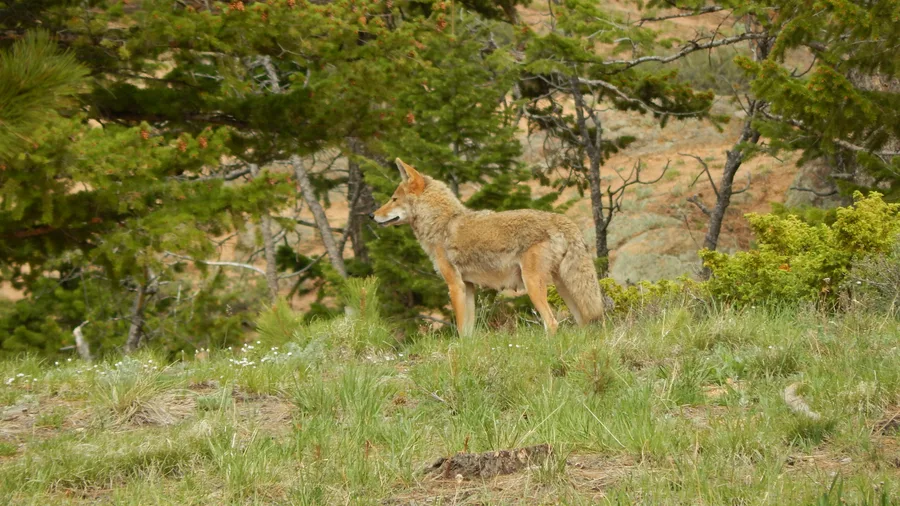
Coyotes are smart, fast, and mostly gone by the time your call brings them in close enough to see without a thermal. A good thermal scope closes that gap — you spot them at 300 yards before they spot you, and when they break and run at 40 mph you have the refresh rate to track them. These are the scopes that work for coyote hunting specifically, picked for detection range, target acquisition speed, and practical performance in open terrain from Texas to Wyoming.
If you’re hunting hogs at the same time, see our best thermal scopes for hog hunting guide. For handheld glass, check the best thermal monoculars roundup.
Our top picks
Best overall
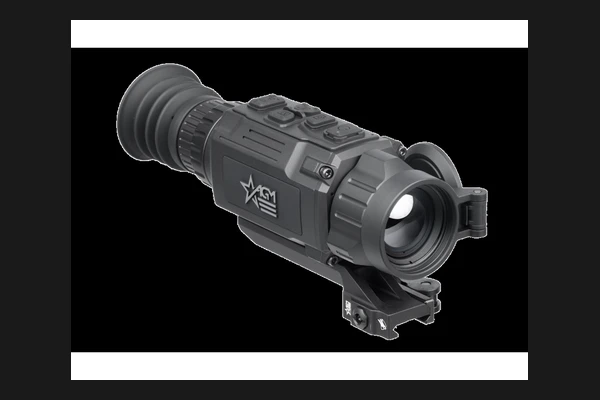
AGM Rattler V2 TS35-640
640×512 | 1,800m detection | $2,695
640 resolution at a price most thermal buyers haven’t seen before. Fast 50Hz refresh handles running coyotes.
Best value
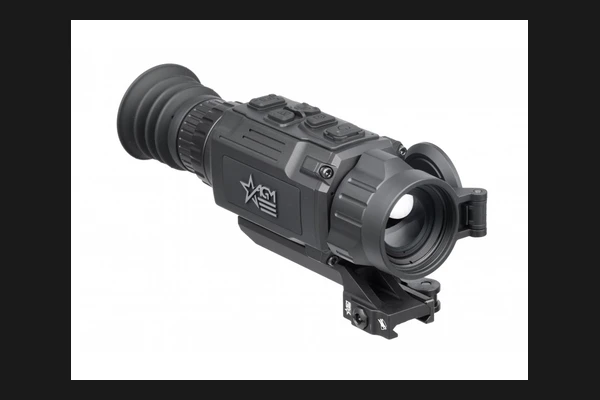
AGM Rattler V2 TS35-384
384×288 | 1,300m detection | $1,975
Solid 384 sensor, compact build. Handles inside-300-yard coyote work without drama.
Premium pick

Pulsar Thermion 2 LRF XP50 Pro
640×480 | 2,000yd detection | ~$3,999
Built-in laser rangefinder, top-shelf build quality. For open-country hunters where distances are a variable.
Why thermal for coyote hunting
The challenge with coyotes isn’t locating them — it’s locating them before they locate you. A called coyote coming in at night is already suspicious. The slightest backlit silhouette or unnatural outline in your blind puts them on alert. Thermal lets you pick up that shape-and-heat signature at 400 yards and track the approach without breaking the dark. No light discipline required.
Speed matters more for coyotes than for hogs. Hogs tend to bunch up and linger. A coyote that decides to leave is doing 40 mph in about two seconds. That’s where refresh rate comes in — a 50Hz sensor updates the image 50 times per second. A 25Hz sensor creates noticeable smearing when a coyote breaks and runs. Doesn’t sound like much until you’ve watched a ghost blur across your reticle at max zoom because your scope couldn’t keep up.
In West Texas, New Mexico, and most of the Western states, typical calling distances run 150-400 yards. That range is exactly where the difference between 384 and 640 resolution starts to show up in target ID. You’re trying to confirm it’s a coyote, not a neighbor’s dog, before the shot. With 384, you can ID a coyote confidently to about 300 yards in good conditions. With 640, you push that to 400-450 yards. On open agricultural land where calls can pull dogs from 500 yards out, the resolution gap becomes a decision factor.
For a comparison of thermal versus digital night vision approaches, see our thermal vs digital night vision breakdown. Short version: for coyote hunting past 150 yards in open country, thermal wins most of the time.
Comparison table
| Model | Resolution | Refresh | Detection | Magnification | Price | Link |
|---|---|---|---|---|---|---|
| AGM Rattler V2 TS35-640 | 640×512 | 50 Hz | 1,800 m | 2×–16× | $2,695 | Check price |
| AGM Rattler V2 TS35-384 | 384×288 | 50 Hz | 1,300 m | 3×–24× | $1,975 | Check price |
| Pulsar Thermion 2 LRF XP50 Pro | 640×480 | 50 Hz | 2,000 yd | 2×–16× | ~$3,999 | Check price |
| ATN Thor 4 2.5-25x | 384×288 | 60 Hz | ~1,100 m | 2.5×–25× | ~$3,600 | Check price |
| ATN Thor 5 320 | 320×240 | 60 Hz | 2,200 yd | 3×–12× | $1,795 | Check price |
| Trijicon REAP-IR 35mm | 640×480 | 60 Hz | 1,000+ m | 2.5×–20× | $7,999 | Check price |
| Pulsar Thermion 2 XQ50 | 384×288 | 50 Hz | 2,400 yd | 2×–16× | ~$3,750 | Check price |
Detailed reviews
AGM Rattler V2 TS35-640 — Best Overall
This is the scope that shifted the market. A 640×512 sensor at $2,695 used to be a $4,000+ proposition — the Rattler V2 changed that math. For coyote hunting, those extra pixels matter in two ways: you ID targets faster at distance, and the image stays usable in low-contrast conditions when ground heat rises on warm Oklahoma nights in September.
The 50Hz refresh rate is the other thing worth noting. It tracks a running coyote without the smearing that makes follow-up shots a guessing game. The 2×–16× magnification range gives you enough base magnification to scan a field and enough zoom to confirm what you’re looking at at 400 yards. At 580 grams, it mounts on an AR or a bolt gun without ruining the balance.
Detection reaches 1,800 meters under ideal conditions. Practical ID distance for a coyote-sized target is around 400-450 yards, which covers nearly every realistic shot setup. The 12μm pixel pitch puts it in the same tier as scopes costing significantly more. Battery life is solid — 9 to 11 hours depending on usage — so you’re covered for full-night calling sessions without a mid-shift swap.
Best for most coyote hunters who want 640 resolution without paying premium-tier prices.
AGM Rattler V2 TS35-384 — Best Value
Under $2,000 for a genuine 384×288 thermal scope with 12μm pixel pitch and 50Hz refresh is a different conversation than it was three years ago. The Rattler V2 TS35-384 does everything you need for coyotes inside 300 yards, which is most called coyotes in brushier terrain or tighter country.
The 3×–24× magnification range is wider than the 640 version, giving slightly more flexibility on zoom. Detection reaches 1,300 meters. ID a coyote confidently to 250-300 yards in typical conditions. On cold winter nights when the temperature differential is high, that range pushes out a bit. Summer nights in South Texas where ambient temps hit the 90s, it pulls back.
At 520 grams it’s slightly lighter than the 640 sibling. Build quality matches: IP67 water resistance, recoil-rated for .308 and 12-gauge. If your budget tops out around $2,000 and your shots happen inside 250 yards, this gets the job done without compromise at the distances that matter.
Best for budget-conscious hunters working in typical calling ranges under 300 yards.
Pulsar Thermion 2 LRF XP50 Pro — Best Premium
The built-in laser rangefinder is the feature that separates this scope from the pack. On open country coyote calling — prairie dog towns in Wyoming, wheat fields in Kansas, brush country in South Texas — not knowing the range to a responding dog costs shots. The LRF reads distance and integrates with the reticle so you hold correctly without a separate tool.
The 640×480 sensor at 50Hz delivers the image quality the Thermion line is known for. Pulsar’s display calibration is consistent and the image is crisp in a way that third-party descriptions don’t fully convey until you put it against cheaper options side by side. At 2,000-yard detection and 17μm pixel pitch, it handles open terrain calling situations where the scope has to reach out farther than the rifle.
The tradeoffs: $3,999 is real money, and the LRF adds weight. At 890 grams, it’s noticeably heavier than compact options. Pulsar’s warranty and service reputation is the best in the class — they fix things quickly. If your setup involves variable-range calling setups in open country and you want one scope that handles distance estimation, this is it.
Best for open-country hunters calling at variable ranges where knowing exact distance before the shot matters.
ATN Thor 4 2.5-25x — Best Long Range
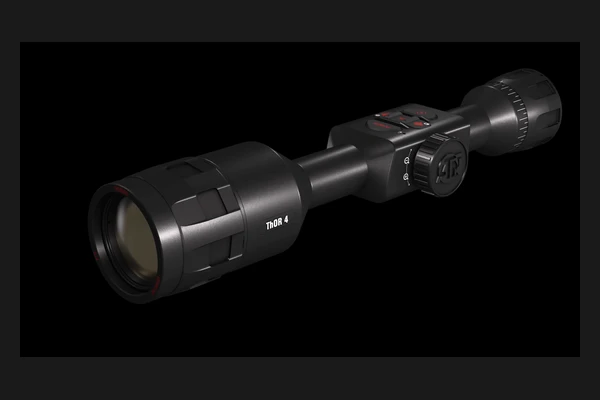
The 25× maximum magnification is the number that makes the Thor 4 stand out in coyote hunting discussions. Most thermal scopes top out at 16× digital zoom. The Thor 4 doubles that. For hunters calling across large agricultural fields where coyotes hold up at 400-600 yards before committing, the ability to zoom in and confirm a target before shooting is genuinely useful.
The 384×288 sensor means that at full zoom, you’re stretching the resolution further than the higher-pixel competitors. At 400 yards with 384 resolution and 25× zoom, you’re looking at a blurry but identifiable thermal shape. For positive ID and shot placement, you’re still working inside 300 yards. The 60Hz refresh rate tracks movement cleanly.
ATN’s smart features — ballistic calculator, video recording, WiFi streaming — come along for the ride. Battery life runs to about 16 hours, which matters on extended calling setups where swapping power is inconvenient. At roughly $3,600, it sits above the AGM 640 while delivering similar resolution but a wider zoom range.
Best for hunters who prioritize maximum magnification range and smart features over raw resolution.
ATN Thor 5 320 — Best Budget
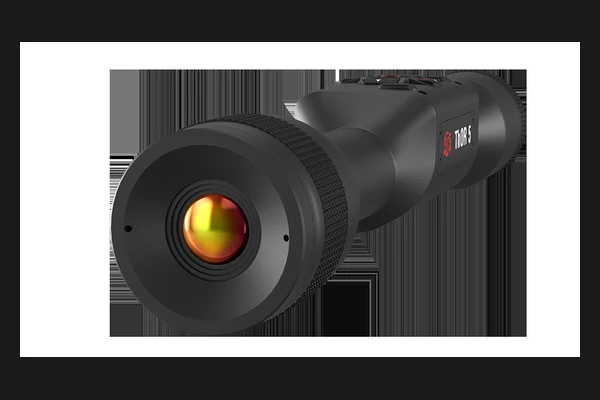
ATN’s fifth-generation processor in the Thor 5 is a meaningful upgrade from the Thor 4 platform. The new chipset handles image processing faster, and the 60Hz refresh rate tracks moving targets without the lag that plagued earlier budget-tier thermals. At $1,795, it’s the least expensive scope on this list and the only one with a 320×240 sensor.
That sensor resolution is the honest limitation. Inside 200 yards, a 320 sensor is fine for coyote hunting. ID is clear, reticle placement is accurate, and the fast refresh handles breaking dogs. Beyond 200 yards, the image starts losing definition quickly. The spec sheet claims 2,200-yard detection, which is technically accurate — you’ll detect heat at that distance — but a 320×240 sensor won’t give you meaningful identification past 150-200 yards in practice.
For the hunter who mainly calls in thick brush, canyon country, or any setup where engagements happen close, this scope does what it needs to do. The ATN app integration and video logging add value for newer hunters tracking calling patterns. A realistic choice for a first thermal purchase or a budget-constrained season.
Best for close-range hunting inside 200 yards and hunters new to thermal who want to get started without a large investment.
Trijicon REAP-IR 35mm — Premium Alternative
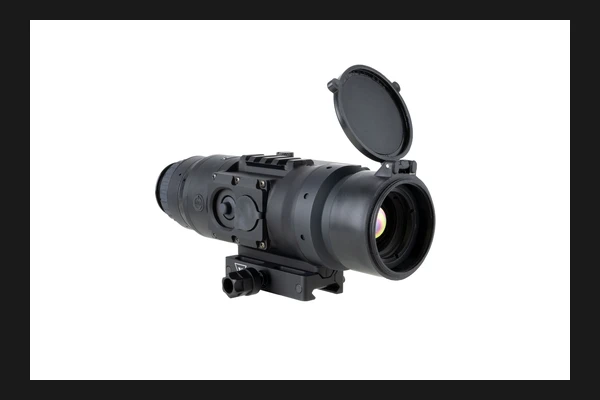
Trijicon builds this scope to mil-spec standards. The REAP-IR has been through military evaluation testing, and the hardware reflects it: the housing machines are tight, every seal is rated for field abuse, and the controls work the same way with gloves, in the rain, or at 15 degrees. If durability under extreme conditions is the priority, nothing on this list comes close.
The 640×480 sensor at 60Hz and 12μm pixel pitch delivers a sharp, high-contrast image. Electronic zoom extends to 20×. Detection is rated at 1,000+ meters, which understates the practical performance — target ID at 400-500 yards is reliable. For a dedicated varmint setup on large ranches where the scope will see year-round use across everything from hogs to coyotes, the investment justification is there.
At $7,999, it’s twice the cost of the AGM 640 for comparable core sensor specs. What you’re paying for is the Trijicon build standard, warranty support, and the confidence that the scope will function in any condition you hunt in. That has value, but not for most coyote hunters running weekend setups.
Best for professional callers and ranch managers who need a primary thermal that will run hard for years without service issues.
Pulsar Thermion 2 XQ50 — Best Compact
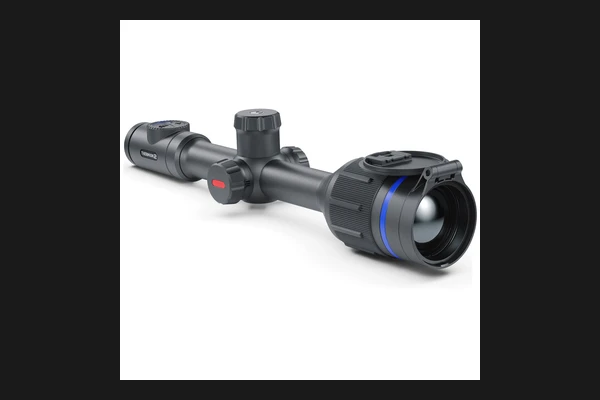
The XQ50’s strength is detection distance with a 384×288 sensor. The 50mm objective gathers enough heat signature to push detection to 2,400 yards, which is exceptional for a non-640 scope. For coyote hunters in open plains states working large properties, the extra reach means you see movement at distance before deciding whether to set up or move.
At 50Hz refresh and Pulsar’s standard 25mK NETD, the image quality in the XQ50 is cleaner than budget 384 options in low-contrast conditions. Picture-in-picture zoom helps when you’re scanning at low magnification and need to quickly confirm a heat signature without losing peripheral awareness. The Stream Vision 2 app records footage for review or sharing with a hunting partner.
The $3,750 price tag is harder to justify when the AGM 640 delivers superior resolution at $1,000 less. The Thermion’s case is built on brand consistency, Pulsar’s repair network, and the 50mm objective’s performance advantage in specific open-terrain scenarios. It’s not the value pick, but it’s a capable scope backed by strong support.
Best for open-country hunters who prioritize long-range detection and want Pulsar’s build quality and warranty backing.
How to choose a thermal scope for coyotes
The most important variable is your typical engagement distance. If you’re hunting river bottoms, creek drainages, or heavy brush in East Texas, your shots happen inside 150 yards. A 384 sensor at that range is fine. If you’re calling open wheat fields in Kansas or prairie dog towns in Wyoming where coyotes hang up at 400 yards before committing, 640 resolution changes what you can see and identify.
Refresh rate matters specifically for coyotes because of how they move when spooked. A coyote that decides to leave hits 40 mph almost immediately. At 25Hz, that moving target blurs in the reticle. At 50Hz or 60Hz, you track it cleanly. All the scopes on this list run at 50Hz or 60Hz — avoid older models that spec at 25Hz or 30Hz if running shots are part of your hunting.
Resolution specs in the product table tell one part of the story. Pixel pitch tells another. 12μm pixel pitch delivers more image data per sensor than 17μm, especially at extended digital zoom. The AGM scopes run 12μm across the lineup. The Pulsar XP50 Pro runs 17μm. At the same sensor resolution, the 12μm sensor will typically produce a sharper image at maximum zoom.
Weight matters on long nights. Two pounds of scope on a lightweight predator rifle creates a front-heavy balance that wears on you when you’re prone in the dark. Check the mount rings and rifle balance before buying. Most hunters running coyotes in open country work from sitting or prone — the AGM Rattler at 580 grams keeps the setup manageable.
Frequently asked questions
Is 384 or 640 resolution better for coyote hunting?
Depends on your shooting distances. Inside 250-300 yards, 384×288 delivers enough detail for positive coyote identification and accurate shot placement. Beyond 300 yards — open fields, long-range calling in agricultural country — 640×512 extends reliable identification to 400-450 yards. If your land has calls that run long, 640 is worth the price difference.
How far can you detect a coyote with a thermal scope?
Detection and identification are different numbers. A quality 640 sensor will detect a coyote-sized heat signature at 800-1,000 meters. Positive identification — confirming it’s a coyote and not a dog or deer — drops to about 400-450 yards under good conditions with 640 resolution, 250-300 yards with 384. Confident shot placement with a clean sight picture is closer to 200-350 yards for most setups.
What magnification do I need for coyote hunting?
Most coyote hunters find 2-8× to 3-12× covers the practical range. A 35mm objective at 3× base gives a wide enough field of view for scanning, and digital zoom to 16× is enough to confirm a target at 300-400 yards. The ATN Thor 4’s 25× maximum is useful for long-range ID, but beyond about 16× on a 384 sensor you’re zooming into soft pixels without gaining real information.
Do I need a thermal scope with a built-in rangefinder for coyotes?
Nice to have, not required for most situations. Most called coyotes come inside 300 yards, and at that range a practiced hunter can estimate distance well enough for a clean shot. Where LRF integration pays off is open country calling where coyotes hang up at unknown distances of 400-600+ yards. If that describes your hunting, the Pulsar LRF XP50 Pro justifies its premium. Otherwise, an external rangefinder or familiarity with your landscape covers the same ground for less money.
Does thermal work well in foggy conditions for coyote hunting?
Better than night vision, but not perfectly. Light fog has minimal effect on thermal — the scope reads infrared radiation, which passes through moisture better than visible light. Dense fog and heavy rain reduce range noticeably, often cutting effective detection distance by 30-50%. For the kind of ground fog common in river bottoms and low country on cool mornings, thermal still gives you a clear advantage over digital NV or spotlights.
Can I run a thermal scope in Texas summer heat?
Yes, but hot ambient temperatures reduce contrast between the coyote and background. When it’s 95 degrees at midnight and the ground is still warm from the day, the temperature differential between a coyote’s body heat and surroundings narrows. Lower NETD (25mK or better) handles low-contrast conditions better than 35mK sensors. The AGM Rattler V2 lineup runs at 25mK or better, which is the reason they perform acceptably on summer nights in South Texas where budget thermals struggle.
How do I zero a thermal scope for coyote hunting?
Same fundamentals as any rifle scope: bore sight first, then confirm at 25 yards to get on paper, then move to your zero distance. Most coyote hunters zero at 100 yards and hold over or under for different distances. Do the final zero in low light or shade — thermal scopes work in daylight but the image is more stable in low ambient light. See our complete scope zeroing guide for step-by-step instructions.
Final recommendation
For most coyote hunters, the AGM Rattler V2 TS35-640 at $2,695 is the right scope. The 640 sensor covers typical coyote identification distances, 50Hz handles moving targets, and the price is lower than anything comparable was two years ago. It’s the spec-to-dollar ratio that makes this the default recommendation for hunters who want 640 capability without the $4,000+ price tag that used to define it.
If your budget ends around $2,000, the AGM Rattler V2 TS35-384 at $1,975 does everything you need inside 300 yards. The core specs — 12μm pixel pitch, 50Hz refresh, solid build — are the same architecture as the 640 version, just fewer pixels.
Open-country hunters dealing with variable engagement distances should look at the Pulsar Thermion 2 LRF XP50 Pro. The built-in rangefinder solves a real problem when you’re calling across large properties and coyotes hang up at unknown distances. The price premium is real, but so is the functional advantage in that specific scenario.
Check current price on AGM Rattler V2 TS35-640
For calling strategies, setup tips, and field-tested approaches for predator hunting at night, our night vision hunting guide covers coyote-specific tactics. Make sure you’re legal — our night vision hunting laws by state guide details thermal regulations for predator hunting across every state.
Last updated February 2026. Prices and availability may change. This page contains affiliate links — we may earn a commission if you purchase through our links, at no extra cost to you.