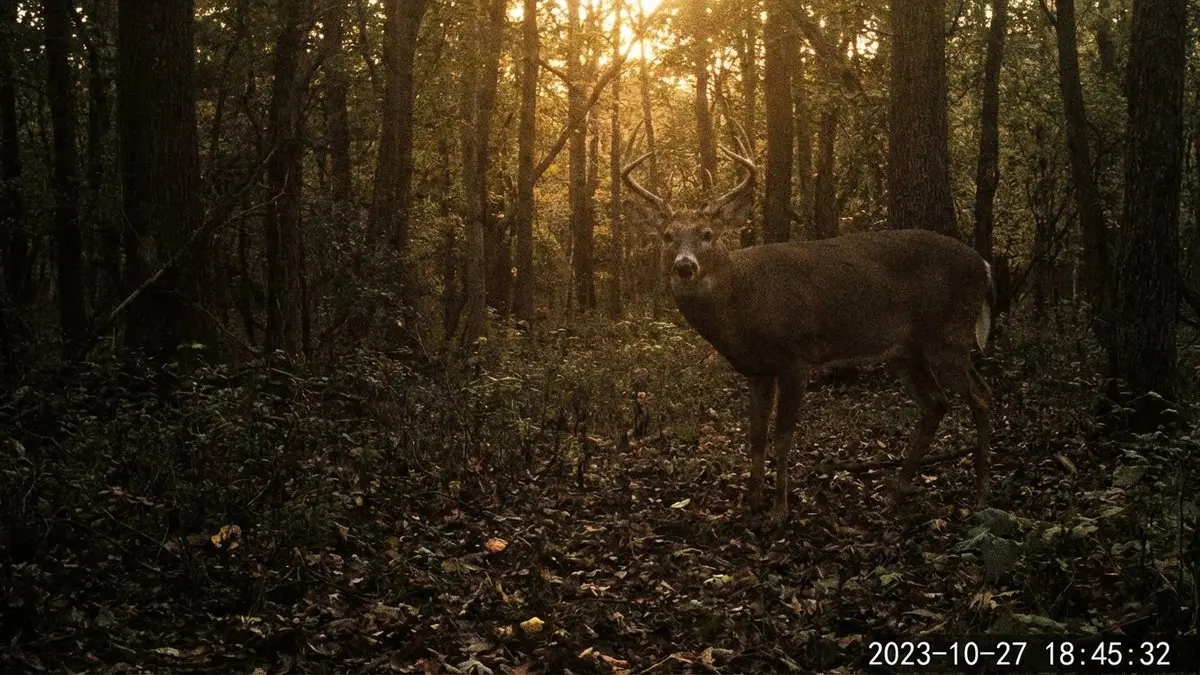
Night Vision for Deer Hunting: Thermal vs Analog
The first thing to understand about night vision and deer hunting is that in most of the United States, it’s illegal. Not gray-area, not depends-on-interpretation — flat-out prohibited. Deer are classified as game animals, and most states require hunting during legal shooting hours, which are generally defined as 30 minutes before sunrise to 30 minutes after sunset. Using NV or thermal to extend that window for taking deer is a violation in roughly 40+ states.
That said, there are legitimate, legal, and genuinely useful ways that thermal and night vision fit into a deer hunter’s toolkit. Understanding the line between legal and illegal use is where we need to start.
The legal reality: what most hunters get wrong
Night vision for deer hunting comes up constantly in forums, and the discussion is usually muddled. People conflate scouting with hunting, thermal with analog NV, and state-specific exceptions with general rules.
Here’s the breakdown:
- Taking deer at night with NV or thermal: Illegal in most states. The equipment is not the violation — using it to shoot a deer outside legal shooting hours is.
- Scouting with thermal at night (no weapon): Generally legal in most states. Walking your property with a thermal monocular to observe deer movement patterns is not the same as hunting.
- Using thermal during legal shooting hours: Legal in most states, though some have restrictions on specific devices mounted on firearms.
- Hunting feral hogs, coyotes, and other invasive/predator species at night: Legal in many states where deer night hunting is not. This is where most NV hunting actually happens.
State laws change, and the details matter. Our state-by-state night vision hunting laws guide covers current regulations by state. Check it before any purchase decision — a $2,000 thermal scope doesn’t do you much good if you can’t use it legally for what you intended.
States that allow some form of NV deer hunting
A small number of states do allow limited or specific forms of night deer hunting. These typically involve depredation permits (when deer are damaging crops), specific seasons in limited counties, or private-land-only provisions. Texas is the most well-known example of a state with more permissive nighttime hunting regulations, though even there the specifics are complex and license-dependent.
Always verify with your state wildlife agency directly. Our complete hunting guide covers how to read game regulations and what questions to ask your state agency before investing in NV gear for hunting use.
Where thermal actually earns its price for deer hunters
Even where night hunting is prohibited, thermal pays for itself in scouting. This is not a loophole — it’s a completely different activity with different rules.
Pre-season scouting
Deer move most actively at dawn and dusk, but thermal lets you observe them in total darkness without disturbing the area. Walk the perimeter of your property at 2 AM and you’ll see patterns — which corridors they use, where they water, how many mature bucks are actually on the land — that you’d never piece together from daytime sign alone. Thermal at 300 yards doesn’t alert them the way a human in their core area does.
Post-shot tracking
This is where thermal has made the biggest practical difference for hunters I know. A deer hit at last light that runs 200 yards into a thicket can be found in minutes with thermal. The body heat is clearly distinguishable from vegetation for hours after death. Without thermal, you’re waiting until morning and risking meat spoilage. Several states that prohibit night hunting explicitly exempt the use of thermal for tracking a mortally wounded animal — another reason to know your specific state’s language.
Stand placement and mock scrape monitoring
Setting trail cameras is one thing. Actively glassing your property with thermal before season gives you real-time confirmation that deer are using the areas your cameras show. You see live animals, actual body sizes, and behavior that still photos don’t capture.
Thermal vs analog NV for deer applications
For deer-specific use, thermal wins in almost every scenario. Deer are warm-bodied animals in environments that cool significantly at night — the thermal contrast is excellent. An analog NV device needs some ambient light to function well. On a moonless night in thick cover, a Gen 2 monocular shows you very little. A thermal monocular shows you every deer within 300 yards regardless of moon phase or canopy density.
| Use case | Thermal | Analog NV (Gen 2/3) |
|---|---|---|
| Scouting in total darkness | Excellent | Poor (needs light) |
| Identifying buck vs doe | Moderate (shape only) | Better (detail at close range) |
| Tracking wounded deer | Excellent | Moderate |
| Judging antler size at distance | Poor | Good (with moonlight) |
| Legal night hunting (hogs/coyotes) | Excellent | Workable |
| Entry price point | $400–700 (basic monocular) | $600–1,500 (Gen 2 monocular) |
Prices approximate as of early 2026. Verify current pricing with retailers.
Practical thermal setups for deer hunters
If your use is scouting and tracking, a handheld thermal monocular in the $500–800 range covers most situations. The Pulsar Axion 2 XQ35 and AGM Fuzion TM25-384 are commonly used at this price point. You don’t need a scope-mounted unit for legal scouting work.
If you’re in a state where night deer hunting is permitted, or you’re targeting hogs and want to add deer scouting capability, a clip-on thermal that mounts ahead of your existing scope is worth looking at. It preserves your daytime zero while adding thermal capability. The trade-off: clip-ons degrade image clarity compared to dedicated thermal scopes, and they add weight and length to the rifle.
For a deeper look at thermal monocular options across price ranges, our thermal monocular buyers guide covers sensor resolution, detection range, and which units hold up in cold weather — a real factor when you’re out before dawn in November.
What hunters actually say
Most experienced deer hunters who use thermal aren’t using it to push legal limits — they’re using it to be better at the legal parts. Finding a hit deer in the dark rather than waiting until morning is the most common application I hear about. Second is confirming whether that shooter buck from your trail cam is still on the property before season opens.
The handful of hunters I know who tried to use thermal during the season for taking deer at night mostly ended up not using it that way after the first season — either because they got nervous about enforcement, or because it changed the experience in a way they didn’t actually enjoy.
The bottom line
Night vision deer hunting is mostly illegal, and the legal exceptions are narrow enough that most hunters won’t qualify. Thermal for scouting, post-shot tracking, and daytime-legal use during the season is where the actual value is. That value is real — but know your state’s rules before you buy.
Disclaimer: Hunting regulations vary by state and change annually. This article reflects general patterns as of 2026. Always verify current regulations with your state wildlife agency before hunting. Nothing in this article constitutes legal advice.

Can You Use a Thermal Scope During the Day? Daylight Use/Sun Safety and Zeroing Tips.

Night Vision Range Explained: Detection, Recognition, Identification, and Real Hunting Distance

How to Set Up an IR Illuminator for Night Vision: Placement, Beam Width, and Field Mistakes