
AGM Rattler V2: The Compact Thermal That Redefines Value in 2025
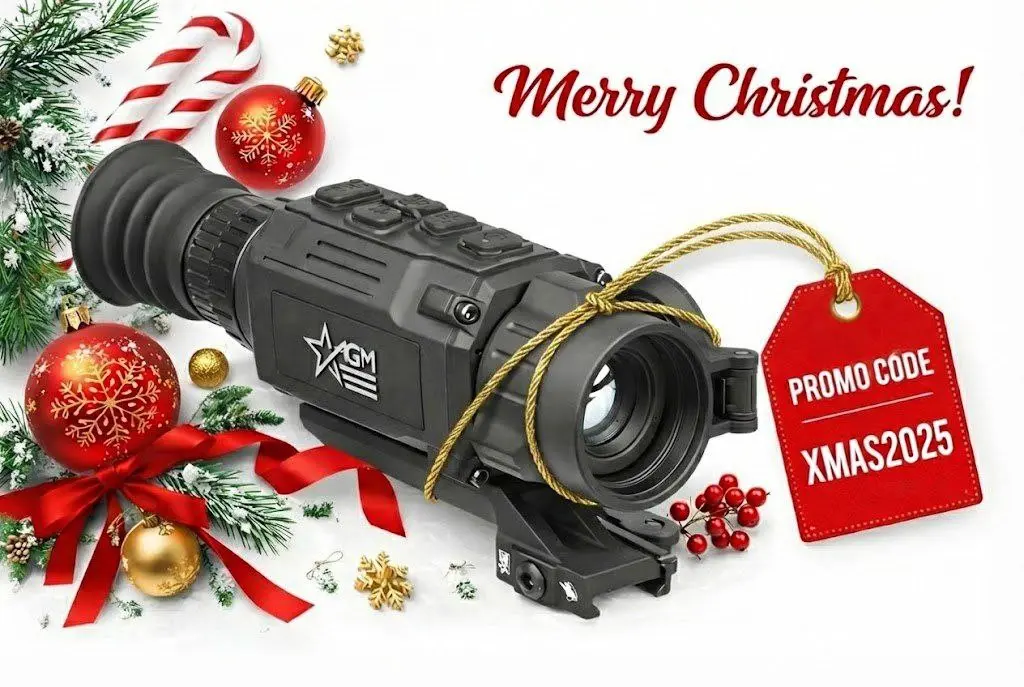
AGM Global Vision has just raised the bar—again. The Rattler V2 series isn’t an incremental refresh; it’s a complete re-engineering of what a sub-$4,000 thermal monocular can deliver. Leveraging a cutting-edge 12-micron sensor with sub-20 mK NETD sensitivity and pairing it with a vivid 1024×768 OLED display, the V2 lineup produces imagery that rivals legacy 17-micron units costing thousands more. Available in 256×192, 384×288, and flagship 640×512 resolutions, with premium Germanium objective lenses ranging from 19 mm to 50 mm, detection distances now stretch beyond 2,600 yards on the top-tier Rattler V2 50-640. Entry-level pricing begins at an astonishing $945, making professional-grade thermal performance attainable for virtually any serious hunter or operator.
Explore the Full Rattler V2 Lineup →
The leap in image fidelity is immediately apparent the moment you shoulder one. Noise floors are dramatically lower, contrast is razor-sharp, and subtle heat gradients that previously dissolved into background clutter now resolve with startling clarity. Whether you’re threading a running coyote through mesquite at 600 yards or picking apart hog vitals in dense river-bottom timber at 400, the Rattler V2 gives you positive identification when lesser units leave you guessing. The expanded magnification range and refined digital zoom maintain usable detail far beyond previous Rattler generations, ensuring ethical shot placement even under the most demanding field conditions. If you need even higher resolution for precision work, check out our AGM Adder V2 LRF 60-1280 review featuring the 1280×1024 sensor.
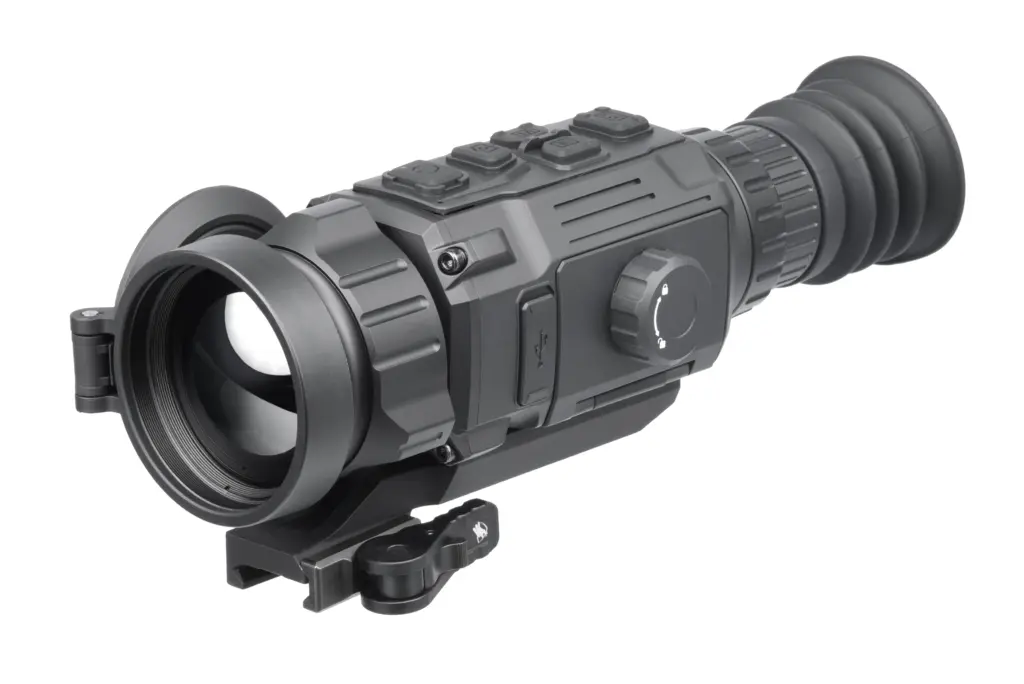
Field usability has been obsessively refined. The new high-profile five-button control layout and knurled quarter-turn focus ring were clearly designed by shooters who actually hunt in freezing temperatures while wearing heavy gloves. Menu navigation is intuitive and lightning-fast, eliminating the frustration common to many compact thermals. A reinforced chassis now carries a 1,000G shock rating—more than enough for magnum rifles or hard-recoiling AR platforms. Shot-activated video recording captures every trigger pull automatically, while on-board Wi-Fi and the AGM Connect app enable live streaming, remote control, and instant firmware updates directly from your phone. Ten levels of display brightness plus switchable warm/cold color palettes allow perfect adaptation to everything from moonless nights to glaring snowfields.
Battery performance has also taken a meaningful step forward. Optimized power management and efficient electronics deliver extended run times that keep you in the field through multiple nights without swapping cells. When it is time to recharge, the included USB-C cable and optional external power bank compatibility make topping off simple even on remote multi-day hunts.
For predator control professionals running night-after-night eradication contracts, hog hunters pushing thermal-equipped ARs to the limit, or tactical teams needing a lightweight, helmet-mountable observation tool, the Rattler V2 checks every box—and then adds a few more you didn’t know you needed. Considering a dedicated night vision scope instead? The AGM Spectrum 4K LRF offers exceptional day/night versatility with its 4K sensor. For fusion capability combining thermal and night vision, see our AGM ObservIR LRF review. Early feedback from the field has been unanimous: this is the most significant compact thermal release of the decade.
At current pricing, with aggressive introductory discounts already in place, there has never been a better moment to step into—or step up to—elite thermal capability. The AGM Rattler V2 isn’t just another new model; it’s the new benchmark. Don’t settle for yesterday’s technology when tomorrow’s performance is available today.
For a deeper look at AGM’s full thermal lineup and how it compares to Pulsar and ATN, our night vision brands guide covers everything you need to make the right brand choice.
Related Articles

Can You Use a Thermal Scope During the Day? Daylight Use/Sun Safety and Zeroing Tips.
Night Vision Range Explained: Detection, Recognition, Identification, and Real Hunting Distance
How to Set Up an IR Illuminator for Night Vision: Placement, Beam Width, and Field Mistakes