
How to Care for Your Night Vision Device
Proper care and maintenance of your night vision device (NVD) ensure outstanding clarity, wide field of view, and reliable performance even on the darkest nights. Whether you own a digital scope like the AGM Spectrum 4K or a thermal unit like the AGM Rattler V2, following these expert guidelines will protect your investment and maximize operational lifespan.
Daily Handling and Cleaning
- Gentle Handling: Always handle your device carefully. Avoid drops, bumps, or rough handling which can damage delicate internal components.
- Cleaning Optics: Use a soft microfiber cloth or lens brush to remove dust and smudges. A gentle circular motion starting from the center of the lens outward is best. Avoid applying excessive pressure that may scratch lens coatings.
- Removing Debris: Use a gentle air blower or compressed air before wiping lenses to remove loose particles.
- Avoid Chemicals: Do not use household or harsh chemical cleaners. Use lens cleaner solutions recommended by the manufacturer.
Storage and Environmental Protection
- Store Properly: Keep your NVD in a protective case when not in use to protect it from dust, moisture, and impacts.
- Use Silica Gel: Place silica gel packets inside storage cases to absorb moisture and prevent condensation buildup inside the device.
- Avoid Extreme Conditions: Protect from extreme temperatures, humidity, and direct sunlight exposure to prevent internal damage and degradation.
- Lens Caps and Covers: Always use lens caps and protective covers to shield lenses from dirt and scratches when not operating the device.
Battery Maintenance
- Correct Battery Type: Use only batteries recommended by your device manufacturer. This is especially important for digital scopes—using cheap 18650 batteries in cold weather can significantly reduce runtime (see our AGM Spectrum 4K-Mini review for real-world battery tips).
- Regular Inspection: Check the battery compartment regularly for corrosion or leakage.
- Battery Removal: Remove batteries when storing the device for extended periods to avoid corrosion risks.
- Power Management: Turn off the device when not in use to conserve battery life and prevent drain.
- Replace as Needed: Replace batteries proactively even if partial charge remains to maintain reliable operation.
Moisture and Condensation Control
- Immediate Drying: If exposed to moisture, dry the device gently with a soft, absorbent cloth.
- Professional Service: For internal condensation or water ingress, seek professional servicing rather than attempting home repair.
- Waterproof Cases: Use waterproof cases or covers in wet or humid operational environments.
Regular Inspection and Calibration
- Visual Inspection: Periodically check for cracks, scratches, loose parts, or damage to lens and housing.
- Function Test: Test device functions including power, focus adjustment, and IR illuminators to ensure proper operation.
- Alignment: Confirm lens and eyepiece alignment per manufacturer guidelines.
- Firmware Updates: If applicable, check for software or firmware updates from your device manufacturer to maintain peak performance. Always update before your first hunt—see our zeroing guide for more setup tips.
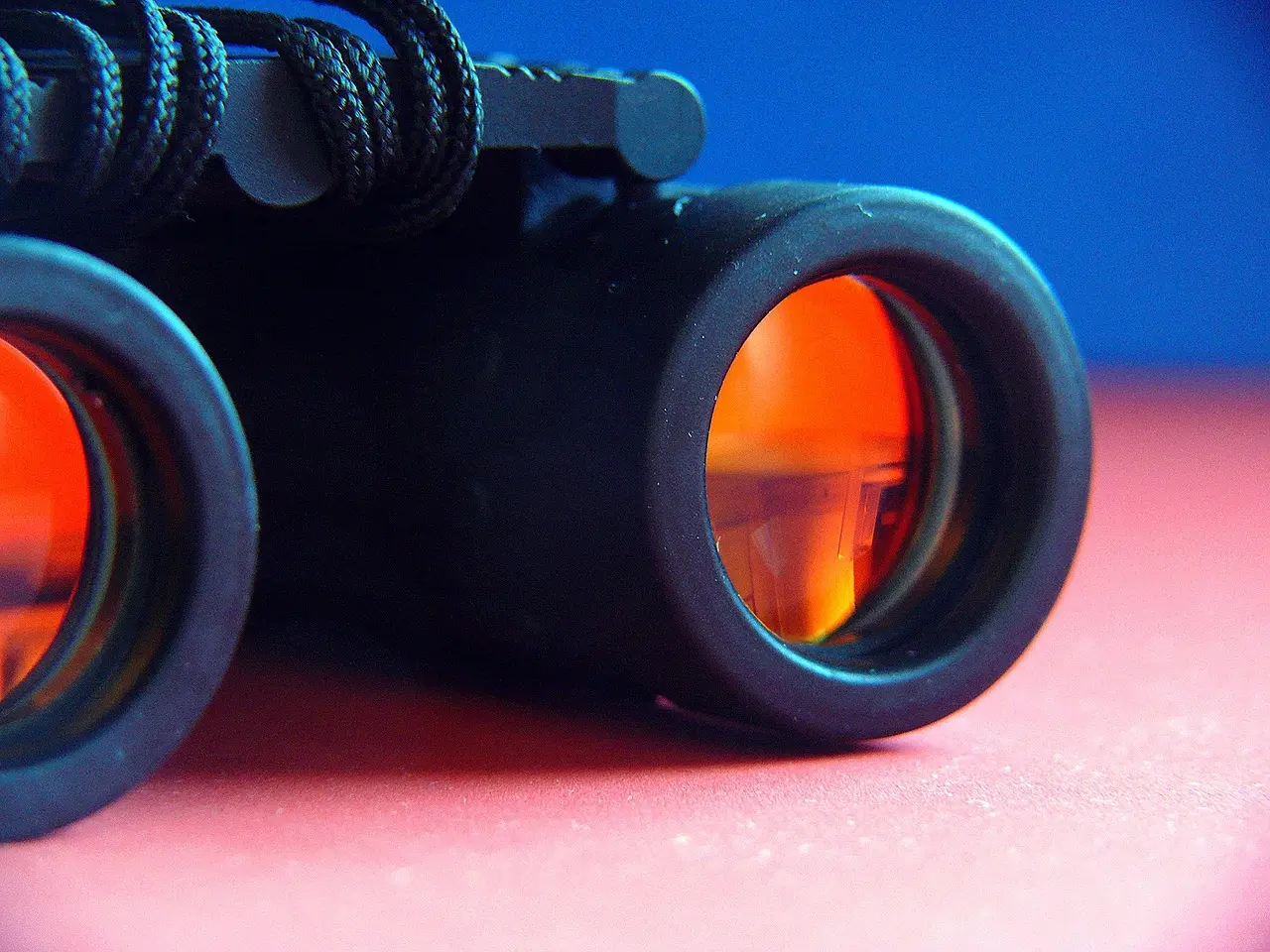
Looking to invest in a quality device worth protecting? Our best night vision monoculars guide for 2026 covers the most durable, field-proven models on the market.
Best Practices Summary
Regularly cleaning lenses, careful handling, routine inspections, and prudent storage are key practices that extend the life and performance of night vision devices. Avoid exposure to harsh conditions without protection, manage batteries well, and seek professional services when needed to maintain superior clarity and operational readiness.
Related Articles
- Complete Guide to Zeroing NV Scopes
- Is Night Vision Safe to Use?
- Best Thermal Monocular for Hunting 2026
Sources
- https://nightvisiongoggles.co.uk/diy-maintenance-for-nvgs
- https://binockshop.com/maintenance-and-common-troubleshooting-guide
- https://gtguardhunt.com/how-to-maintain-night-vision-equipment
- https://nightvisionuniverse.com/night-vision-device-maintenance
- https://zoomble.nl/essential-night-vision-binocular-care-guide
- https://rixtactical.com/nvgs-care-guide
- https://steeleindustries.com/how-to-maintain-your-night-vision-devices

Can You Use a Thermal Scope During the Day? Daylight Use/Sun Safety and Zeroing Tips.

Night Vision Range Explained: Detection, Recognition, Identification, and Real Hunting Distance

How to Set Up an IR Illuminator for Night Vision: Placement, Beam Width, and Field Mistakes